
Independent Pet Retail
Pet Store Marketing Strategy for Independent Retailers
A practical guide to choosing the right priorities, making the marketing work together, and measuring what changes in the store.
Independent pet retailers compete with national chains, grocery stores, online retailers, and other local shops, often for the same routine purchases. The independent store usually wins on knowledge, trust, service, convenience, and connection to the local community. A useful marketing strategy has to make those advantages visible and give customers reasons to visit, buy, and return.
This guide explains how local search, your website, email and SMS, social media, events, promotions, paid advertising, and customer data can support the same business goal. It's written for brick-and-mortar pet supply stores, pet boutiques, and independent multi-location retailers that sell directly to pet parents.

How to Use This Guide:
You don't have to rebuild every part of your marketing at once. Start with the section that sounds most like what you're seeing in the store. Then use the rest of the guide to understand what needs to work with it.
What a Pet Retail Marketing Strategy Should Do
A list of marketing tactics isn't a strategy. Neither is a monthly content calendar. Those tools can organize the work, but they don't tell you which business problem deserves attention first or what each part of the marketing is supposed to accomplish.
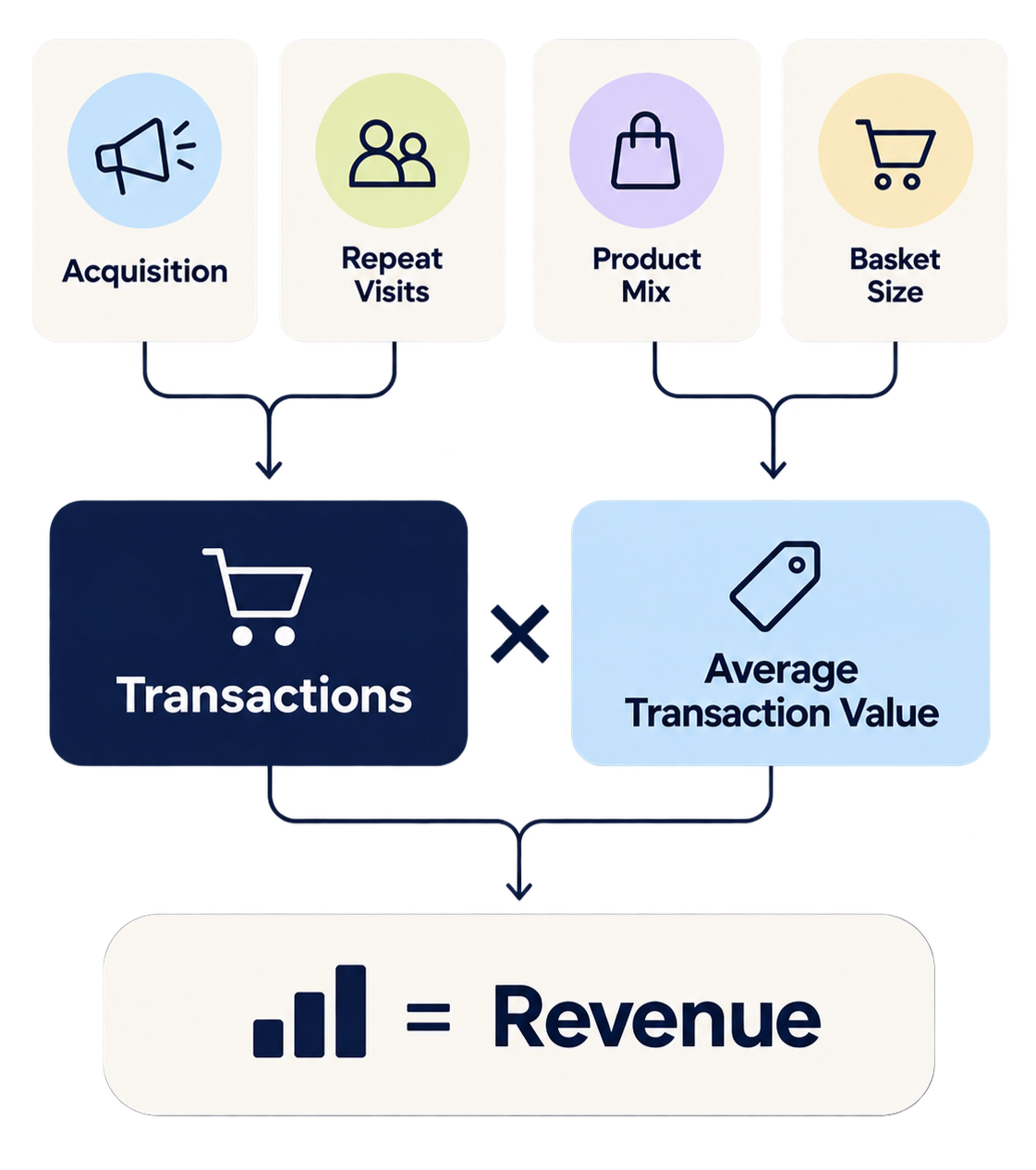
Store revenue grows when the business completes more transactions, customers spend more per transaction, or both. First-time visits and repeat visits affect transaction count. Product mix, bundles, add-on purchases, and pricing affect average ticket. Before choosing what to publish or promote, decide which number needs to change and what customer behavior could change it.
A useful strategy answers a few practical questions.
What needs to improve first?
Which customers can affect that result?
Where will they see the message?
What must happen inside the store?
How will you know whether the work helped?
Without those answers, the marketing task that feels most urgent can take over even when it won't solve the store's problem.
Start With the Business Goal, Not the Tactic
STEP 1
Retailers often start with a marketing tactic: post more often, send another email, run Google Ads, or improve SEO. Start with what needs to change in the business instead.

STEP 2
Pull at least 12 months of revenue, transaction count, and average ticket by month. These are your starting numbers. If your systems allow it, add new and returning customers, category or brand sales, service bookings, location, and gross margin. Compare like periods so seasonality doesn’t distort the result.

STEP 3
Then name the problem. A store that needs more first-time visits has a different problem from a store that attracts plenty of customers but doesn't bring enough of them back.

Use the numbers to narrow the problem:
If too few new customers are finding the store, review local search visibility, reviews, referrals, local partnerships, and paid search.
If customers aren't returning, review post-purchase communication, loyalty activity, convenience, and whether emails or text messages reflect what those customers bought or booked.
If average ticket is the issue, look at product education, complementary categories, bundles, merchandising, promotions, and staff recommendations.
If events or slower periods underperform, examine timing, audience, partner participation, the offer, in-store execution, and follow-up.
If inventory, staffing, or service capacity can't handle more demand, fix that problem before spending more to create traffic.
For most stores, one primary business priority and one supporting objective are enough for a quarter.
Map How Customers Find, Choose, and Return to the Store
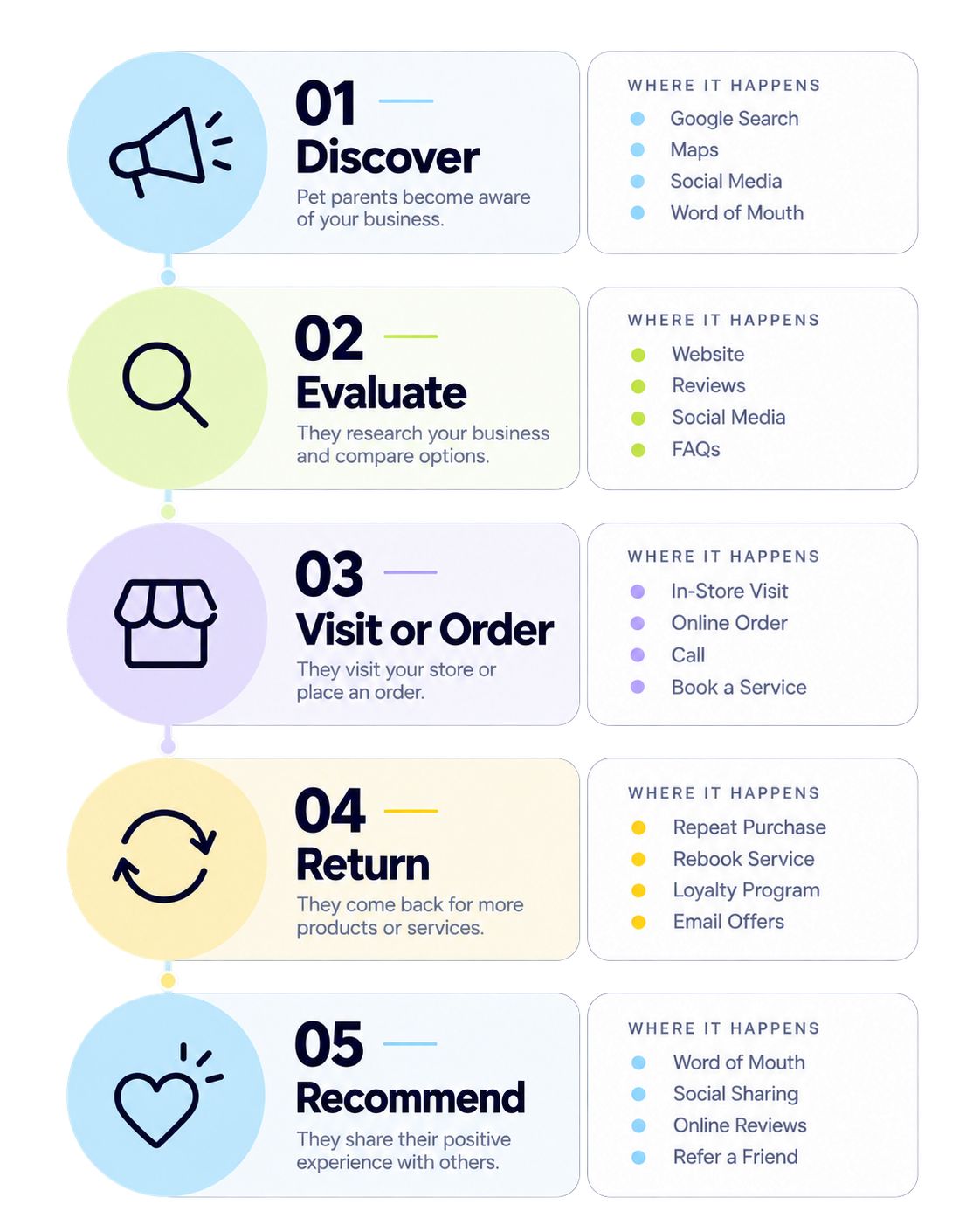
A customer journey is simply the series of steps someone takes before and after buying from you. A new resident looking for a nearby store behaves differently from a regular customer who needs another bag of food. A pet parent trying to solve a health or behavior concern may research and ask questions before visiting. Someone responding to an adoption event has another reason to come in.
You don't need a fictional customer persona with a name, age, and favorite coffee order. You need evidence about the situations that bring real people to the store and what helps them take the next step.
New-to-store discovery: What does someone see in search, maps, reviews, and the website before deciding to visit?
Buying again: How easy is it to remember, reorder, pick up, or get the product delivered?
Problem-solving visit: Can the customer see that the store carries relevant products and has people who can help?
Promotion or event: Does the message explain who it's for, why it matters, when it happens, and what to do next?
After the purchase: Is there a useful reason to stay connected, return, review, refer, or explore another category?
Use POS purchase patterns, questions heard by the staff, customer reviews, website search terms, email engagement, calls, and in-store conversations to understand those paths. Use what you learn to help each customer take the next useful step. That could mean visiting the store for the first time, buying again, booking a service, or trying another product category. Those actions are what eventually produce more transactions, larger purchases, and more repeat business.
Give Every Channel a Job
A marketing channel is one place where customers encounter the store, such as Google, the website, email, social media, advertising, or the store itself. These channels should support one another, but they don't all have the same job. Decide what each one should help the customer do before the promotion begins.
Local Search - Help nearby pet parents find your store when they’re looking for the products or services you offer.
Website - Answer the questions that help people decide whether to visit, call, order, or book.
Email & SMS - Give existing customers useful reasons to return, buy again, or book another service.
Social Media - Show the people, products, knowledge, and community behind your business.
Events & Promotions - Build coordinated promotions around events, seasonal needs, and worthwhile reasons to visit.
Paid Advertising - Reach people with a focused offer when they’re searching or most likely to respond.
Online Ordering & Convenience - Make it easier for customers to reorder, reserve, pick up, or buy without changing where they shop.
In-Store Execution - Make sure the staff, signage, merchandising, and offer match what customers saw before they arrived.
Local Search and the Google Business Profile
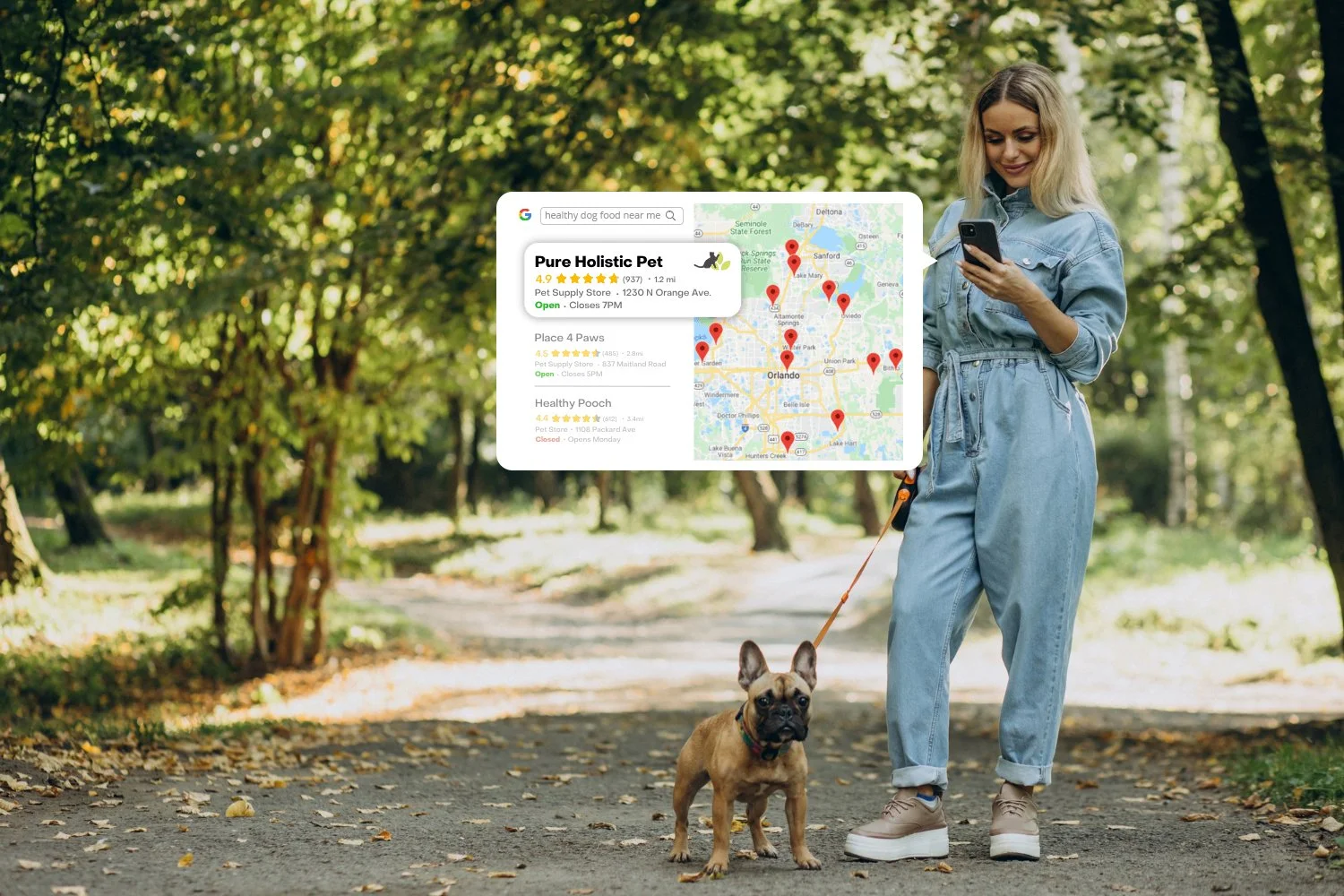
Local search helps nearby pet parents find the store when they're already looking for a product, service, or place to shop. The basics matter: accurate categories, hours, location details, photos, reviews, product and service information, and a website that confirms what the listing promises.
Search visibility matters when it leads to a useful next step. If someone searches for a specific food, self-wash, grooming service, delivery option, or event, the next page should explain what's available and how to visit, call, order, or book. A strong ranking won't help much if the customer still can't figure out what to do.
Website
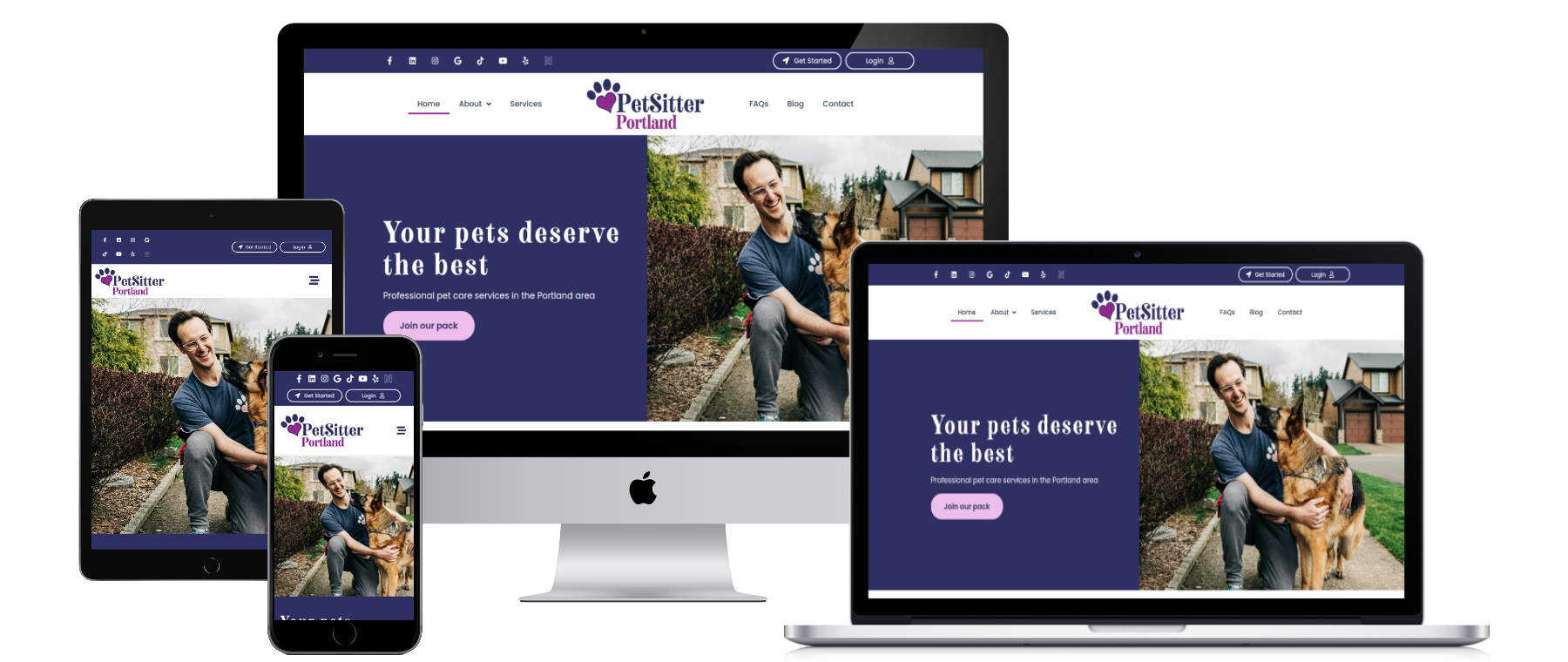
The website helps a customer decide whether the store fits the need before making the trip. It should answer practical questions quickly: where you are, when you're open, what you carry, which services you offer, how ordering works, what events are coming up, and how to contact the right location.
For many retailers, the website's job isn't to replace the store. It's to reduce uncertainty and make the visit, call, booking, or order easier. That means the most useful page may be a product-category page, service page, location page, event page, or clear online-ordering path, not another general blog post.
Email and SMS Text Messaging
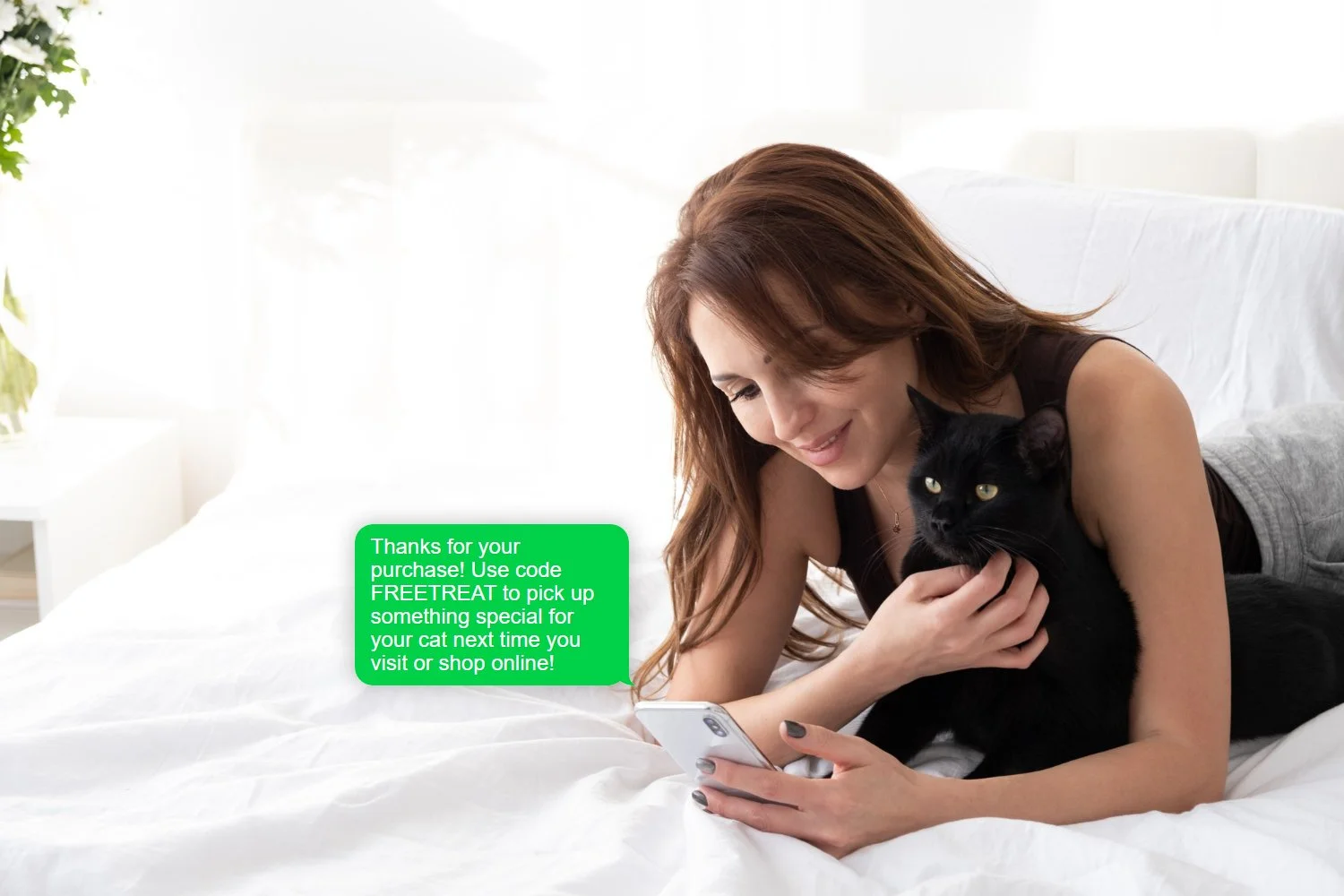
Email and SMS are useful because they reach people who already know the business. The strongest messages usually have a specific reason to arrive: a relevant product, a reminder to restock, a service follow-up, an event, a seasonal need, or a promotion that fits the customer's history.
A single message to the entire list can still be appropriate for a major store announcement. It shouldn't be the only plan. When the data is available, group customers by location, pet, purchase history, category, service use, or recent activity. A message about the product or service they already use is more useful than sending everything to everyone on a rigid schedule.
Events and Promotions
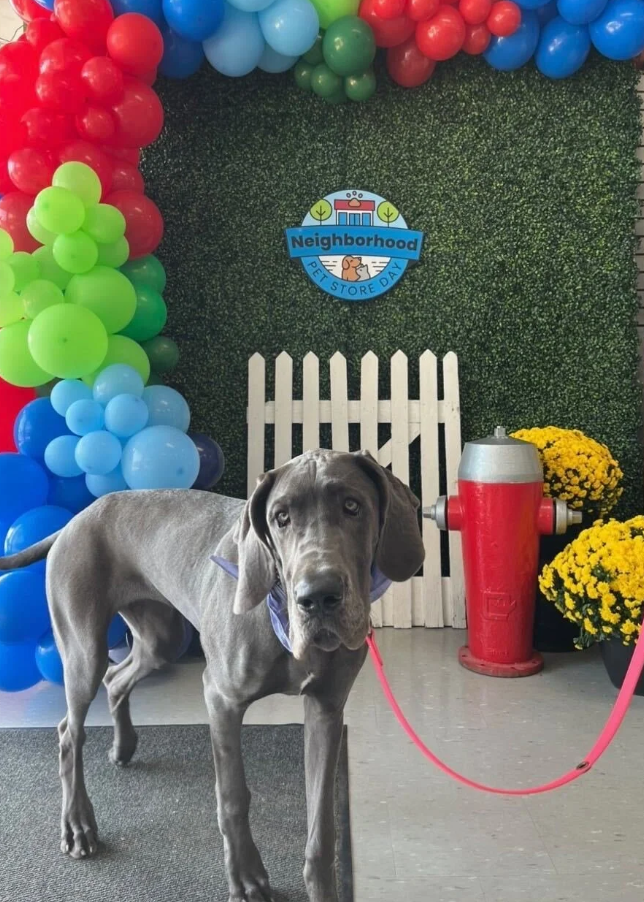
Events and promotions give customers a timely reason to visit. Decide what the event or offer should accomplish before choosing the discount, giveaway, or vendor support. The goal might be bringing in first-time customers, increasing traffic during a slower period, helping customers try a product category, supporting a local partner, or increasing sales from a specific offer.
The store has to be ready. Inventory, margin, staffing, signage, checkout instructions, partner responsibilities, and follow-up all affect the result. A clever promotion can still fail if the customer arrives and the offer is hard to understand or redeem.
Paid Advertising
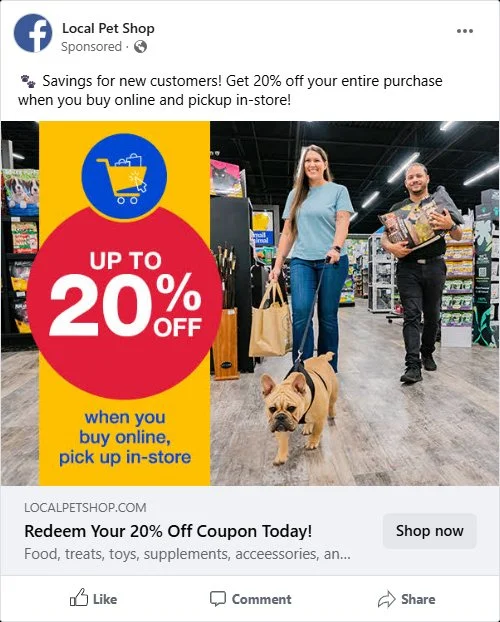
Paid advertising can put a specific offer, event, service, or location in front of more people. It can also reach someone who is already searching for what the store sells. Before paying for traffic, make sure the page, form, phone call, booking process, or in-store offer gives the customer a clear next step.
Choose the action you want before the ads begin. That might be a call, direction request, event registration, online order, service booking, coupon redemption, or trackable store visit. Reach and clicks can show whether people noticed the ad. The business result is what they did afterward.
Online Ordering and Convenience
Online ordering, pickup, local delivery, and recurring orders can make routine purchases easier for customers who already know what they need. The right model depends on product availability, delivery radius, staffing, margins, platform limitations, and how quickly the store can keep inventory accurate.
Convenience should support the retailer's advantage, not create an operational promise the team can't keep. Before promoting an option, walk through the experience from product search to fulfillment, customer communication, substitution, pickup, or delivery.
In-Store Execution
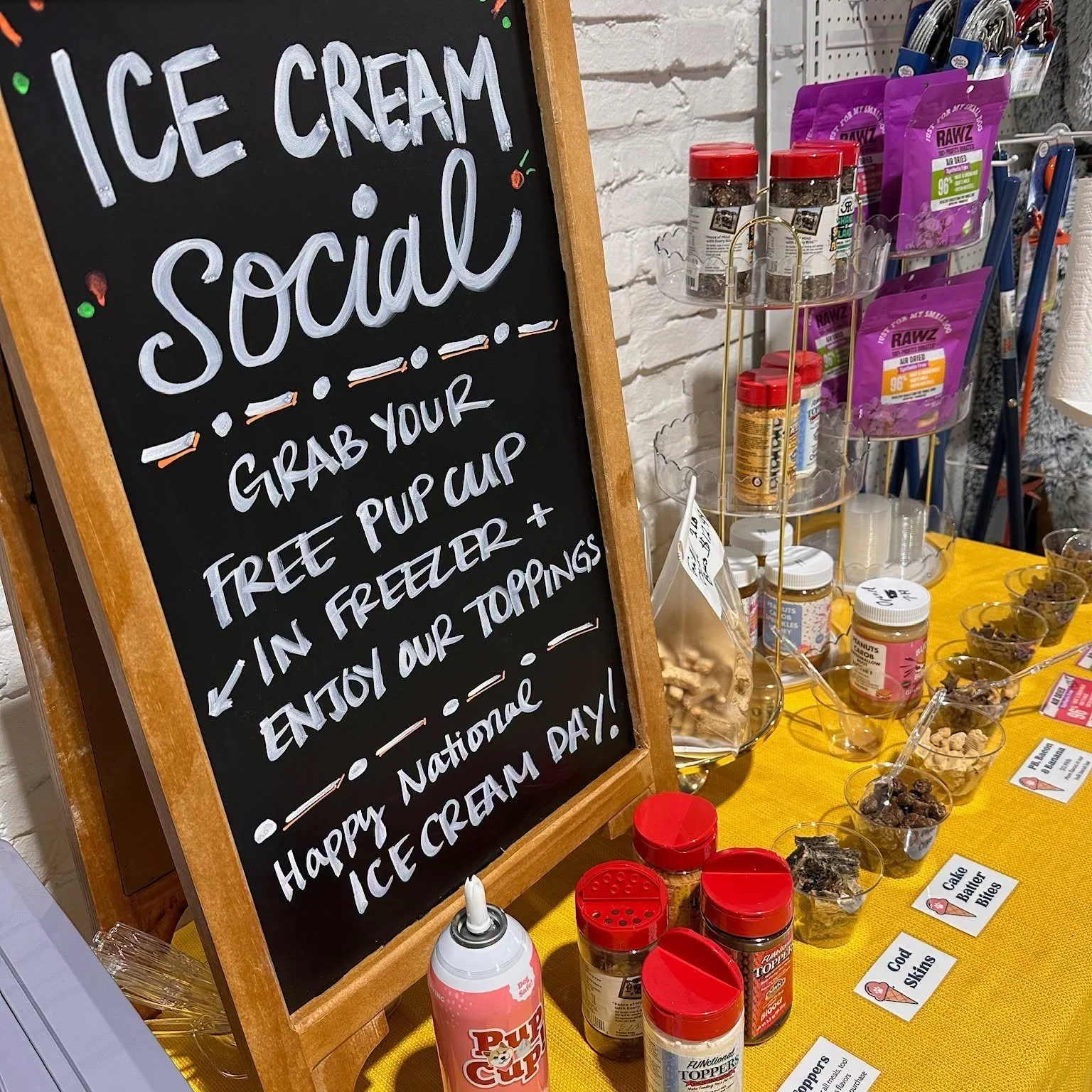
Marketing doesn't stop when someone walks through the door. Staff recommendations, signage, displays, samples, checkout prompts, event registration, loyalty enrollment, and email or SMS consent can determine whether the customer understands the offer and takes the intended action.
Give the store team a short explanation of the goal, the offer, who it's for, how to record the action, and what questions customers may ask. If the promotion needs a code, web page, tag, RSVP list, or POS note, test it before the first message goes out.
Build Campaigns Around the Store Calendar
Example: A Local Adoption Event
The calendar should begin with the business, not a list of national pet holidays. Review sales patterns, seasonal needs, vendor opportunities, inventory, service capacity, local events, adoption partnerships, and the questions customers are asking. Then choose the moments that are worth promoting across several parts of the marketing.
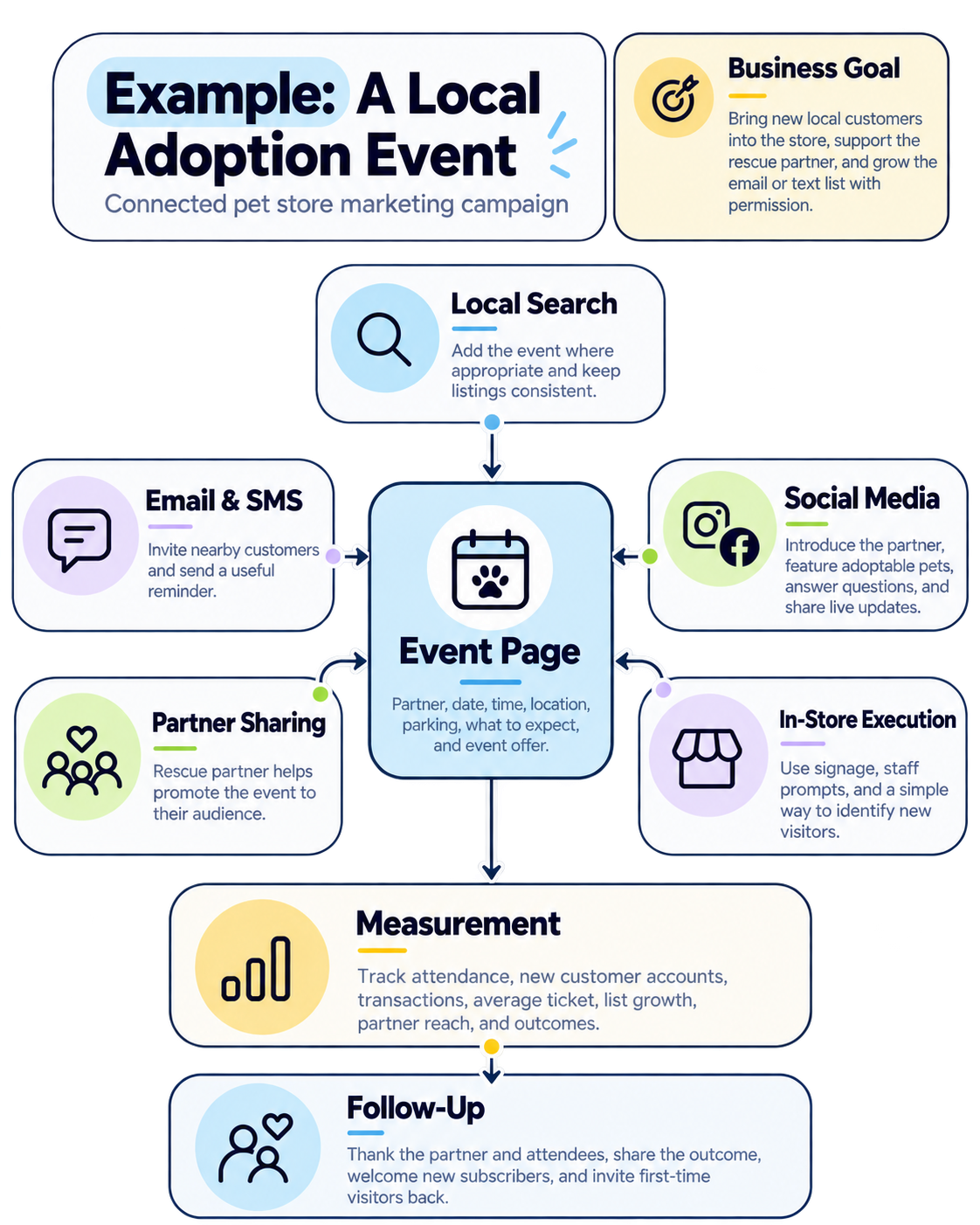
A campaign is a coordinated effort built around one goal, such as an event, product launch, service, or seasonal need. The places where customers see it and the actions they take should connect. The hypothetical example below shows how an adoption event could work as one campaign instead of a series of unrelated posts.
Business goal: bring new local customers into the store, support the rescue partner, and invite attendees to join the store's email or text list with permission.
Event page: explain the partner, date, time, location, parking, what visitors should expect, and any offer connected to the event.
Local search: add the event where appropriate and make sure the location listing and website information agree.
Email and SMS: invite nearby customers who are likely to care, then send a useful reminder rather than repeating the same announcement.
Social media: introduce the partner, feature adoptable pets with permission, answer practical questions, and show the event as it happens.
In store: use signage, staff prompts, and a simple way to identify new visitors or event participants.
Follow-up: thank the partner and attendees, share the outcome, welcome new subscribers, and give first-time visitors a relevant reason to return.
Measurement: record attendance, new customer accounts, transactions, average ticket, list growth, partner reach, and any agreed donation or adoption outcome.
The campaign works because each part has a clear job and the experience inside the store matches what customers were promised.

Measure What Changed in the Business
Business Outcomes
Search, email, social media, and advertising reports show what happened in those tools. They don't automatically show what changed in the store. Start with the business question, then use calls, visits, orders, bookings, and sales data to understand what customers did next.
Choose the measures before the work begins and save the starting numbers. If the goal is more first-time visits, you may need a new-customer field, offer code, event registration, call tracking, or a consistent question at checkout. If the goal is higher sales in a category, agree on the products and comparison period before the promotion begins.
Revenue, transactions, and average ticket
New and returning customers
Category, brand, or service sales
Gross margin when the promotion or product mix makes it relevant
Visit or purchase frequency when the available data supports it
Customer Actions
Calls, direction requests, bookings, orders, and event registrations
Coupon or offer redemptions
Email and SMS opt-ins
Review volume and response
Forms, buttons, bookings, or orders completed on the relevant page
Marketing Activity
Be careful when connecting marketing activity to sales. A customer who received an email and later made a purchase isn't automatically a purchase caused by that email. Promotions, holidays, inventory, pricing, weather, staffing, and a purchase the customer already planned can all affect the result.
Compare the same months or seasons, document what changed, and separate what the data shows from what you believe may have contributed. The purpose of reporting is to make the next decision better, not to make every campaign look successful.
How often the store appeared in search results, profile actions, and website visits
The percentage of page visitors who completed its main action
Email and SMS delivery, clicks, replies, and unsubscribes
Social saves, shares, comments, profile visits, and link activity
Advertising cost, tracked calls, orders, bookings, and cost per agreed action
Put the Strategy Into a 90-Day Plan
Month 1: Record the starting numbers and choose the priority
A quarter is long enough to plan, run, and review meaningful work without pretending the entire store can be fixed in one campaign. Use this sequence as a starting point, then adjust it around the store's calendar and capacity.
Pull the business results and marketing data you can trust.
Choose one primary business problem and one supporting objective.
Write down the steps customers take and find the point where they become confused, stop, or fail to return.
Fix inaccurate information, missing tracking, inventory problems, staffing gaps, or broken checkout and booking steps before promotion begins.
Month 2: Run one coordinated promotion
Choose the offer, event, category, service, or customer need that supports the goal.
Assign a job to each part of the marketing instead of copying the same message everywhere.
Prepare the web page or form, store team, signage, inventory, partner communication, and measurement method.
After launch, watch for common questions, low stock, broken forms, or unclear instructions. Fix those problems without changing the goal every few days.
Month 3: Review and decide what comes next
Compare the result with the starting numbers and the stated goal.
Document what happened in the business, what customers did, and what the search, email, social, and advertising reports showed.
Keep what worked, adjust what was unclear, and stop the work that didn't help enough to repeat.
Choose the next quarter's priority based on the evidence and the store's needs.
Don't try every channel at once, discount without checking the margin, or pay for traffic to a broken path.
Pet Retail Case Study
See the System in Practice
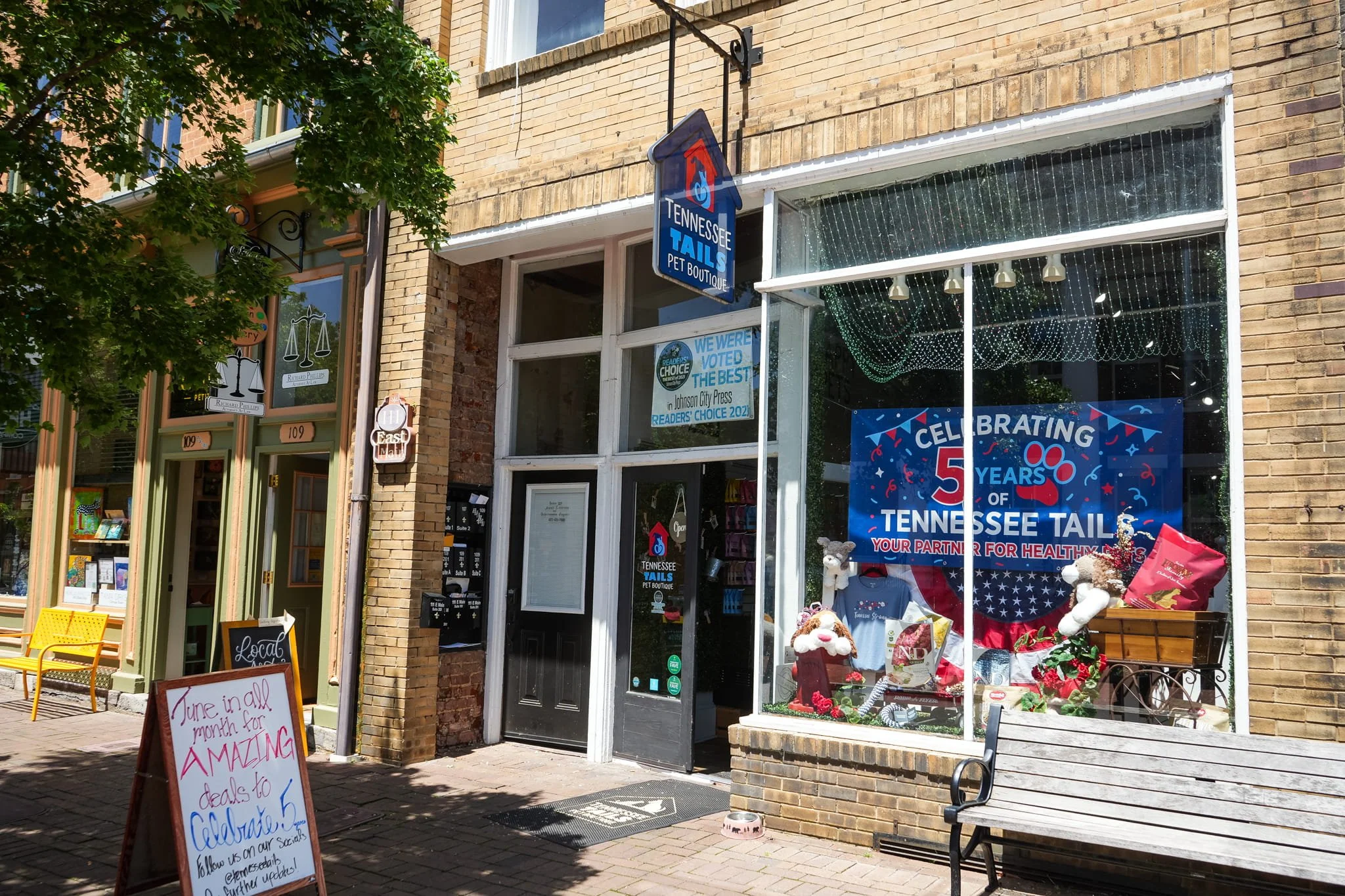
Tennessee Tails is an independent pet retailer in Jonesborough, Tennessee. PEM began working with the business in April 2023 across strategy, search visibility, email, promotions, social media, the website, advertising, and reporting.
From 2022 through 2025, Tennessee Tails recorded 51% revenue growth, a 17% increase in annual transactions, and a 30% increase in average ticket. In the first half of 2026, revenue was 27% higher than the first half of 2025, with transactions up 14% and revenue per transaction up 12%.
Search visibility improved during the engagement as well, including a 304% increase in search impressions, a 290% increase in clicks to the website, an 83% increase in website clicks from the Google Business Profile, and a 114% increase in calls from Google.
These are business results, not a claim that marketing caused every sale. The 2022 starting year predates the April 2023 partnership, and the outcome also reflects the owner's decisions, staff work, inventory, pricing, market conditions, and other business activity. PEM uses the available data to understand what changed and decide what to do next.
+51%
Revenue growth

+17%
Annual transactions

+30%
Average ticket
Choose the Next Resource Based on the Problem
If one part of the plan needs deeper work, choose the resource that matches the problem you're trying to solve.
-

Marketing Support for Pet Retailers
Start here if you want to see how PEM supports independent retailers across strategy, local search, email, advertising, websites, and reporting.
-

Marketing Strategy
Use this when the main problem is deciding what to prioritize, how the work should fit together, or what the business should measure.
-

SEO and Local Search
Use this when nearby pet parents aren't finding the store, its locations, or the products and services they need.
-

Email Marketing
Use this when the store needs better reasons for existing customers to buy again, book again, attend an event, or try another category.
-

Social Media Strategy & Support
Use this when the store team has good stories and useful knowledge but needs clearer direction about what to share and what customers should do next.
-

Website Design
Use this when customers can't quickly confirm what the store offers or complete the visit, call, order, booking, or event-registration step.
-

Paid Advertising (PPC)
Use this when the store has a clear offer or customer action and wants to reach more people who are likely to care or act through search or social advertising.
-

Reporting & Marketing Insights
Use this when the store has sales, booking, customer, or marketing data but needs help deciding what it means and what to do next.
Need Help Turning This Into a Working Plan?
Pet Engine Marketing works with independent pet retailers on strategy, execution, and reporting. If the marketing feels scattered, or too much of it still depends on you, tell us what's happening in the store and where the plan is breaking down.

Social Media
Social media can show the people, pets, knowledge, and community behind the store. It can support events, introduce products, answer common questions, and give customers something worth sharing. It usually helps people notice and trust the store before it helps produce a visit or purchase.
The store team is often closest to the best material: a new product arrival, a customer question, an adoption story, an employee recommendation, or a moment from an event. A useful social plan helps the team capture those moments and tell people what to do next, whether that's visiting the store, signing up for an event, or learning more about a product.